Utility-scale renewable energy projects in the form of wind and solar developments continue to grow across North America following significant investments over the last decade. As nascent industries like data centers compete with renewables for limited infrastructure components, such as transformers, developers experience long lead times that threaten to disrupt their project schedules. Delays in sourcing transformers, specification errors, or compatibility issues with grid infrastructure can postpone project commissioning and increase capital costs.
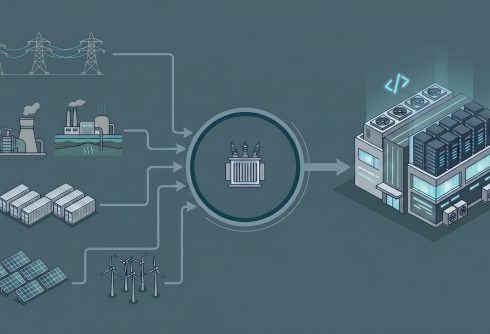
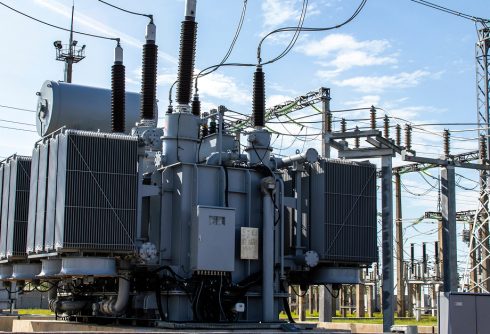
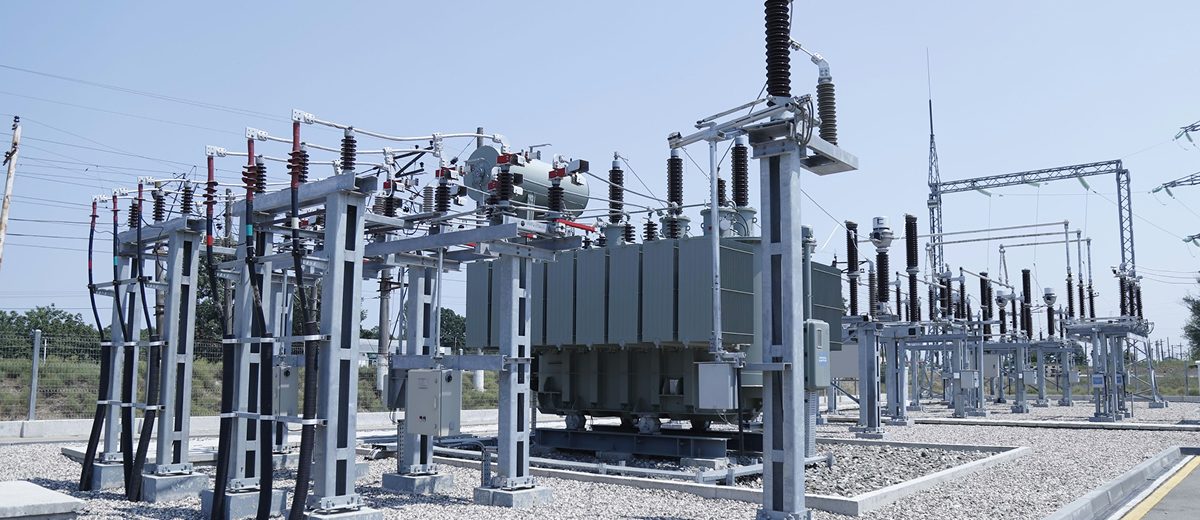
Transformers form the essential link between renewable generation equipment and the transmission network. Wind turbines, solar inverters, and hydro generators all produce electricity at voltages that must be stepped up for efficient transmission. Selecting the right transformer therefore requires careful consideration of electrical design, grid requirements, efficiency standards, and supplier reliability. For renewable developers, utilities, and EPC contractors, the following considerations can help ensure successful project delivery.
Matching Transformer Design to Renewable Generation Type
Different renewable technologies require different transformer configurations. The design of a transformer must align with the generation technology, the layout of the renewable plant, and the voltage levels required by the transmission grid.
Solar photovoltaic facilities typically operate at relatively low generation voltages before electricity enters a medium-voltage collection system. Transformers step voltage up from inverter output levels to collection system voltage, before power is transmitted to a substation for further voltage transformation.
Wind farms commonly require generator step-up transformers. Each turbine produces electricity at a lower voltage, which must be increased to match the collection system and ultimately the grid interconnection voltage. Generator step-up transformers play a critical role in transferring energy efficiently from turbines to the transmission system.
Hydroelectric and geothermal facilities usually connect directly to high-voltage transmission infrastructure and therefore rely on large power transformers designed for higher capacities.
Transformer manufacturers now produce equipment tailored for a wide range of renewable applications. For instance, Northfield offers transformers ranging from roughly 1 MVA to 400 MVA with voltage ratings up to 500 kV, enabling both distributed renewable projects and large utility-scale installations.
Choosing the correct transformer configuration early in the engineering process helps ensure compatibility with grid requirements and avoids redesign during construction.
Voltage Ratings and Capacity Planning for Renewable Projects
Renewable generation introduces unique planning considerations because power output can fluctuate depending on weather conditions and grid demand. Selecting the correct voltage rating and MVA capacity is therefore critical for maintaining system reliability.
Solar farms and wind facilities must meet specific interconnection requirements established by grid operators. These requirements define the voltage level at which the renewable facility connects to the transmission network. Transformers must therefore be specified to step generation voltage to the required grid voltage.
Capacity planning also plays an important role. Developers must consider not only current generation output but also potential future expansion. Selecting transformers with appropriate capacity margins allows projects to scale as renewable installations grow.
Many renewable projects use transformers in the following capacity ranges:
- Medium renewable installations may use transformers between 30 and 150 MVA
- Large wind or solar developments may require generator step-up transformers exceeding 100 MVA
- Transmission-connected renewable plants may use transformers approaching several hundred MVA
Modern transformer manufacturing capabilities support these requirements. Some suppliers provide production capacities reaching tens of thousands of MVA annually and offer designs suitable for both renewable and traditional power networks.
Careful capacity planning ensures that transformers can handle operational variability while maintaining long-term grid stability.
Efficiency Standards and Environmental Performance
Renewable energy infrastructure aims to reduce carbon emissions across the entire electricity system. As a result, transformer efficiency and environmental performance have become key evaluation criteria.
Transformers inevitably experience energy losses during operation. These losses occur in the magnetic core and windings and represent a continuous efficiency penalty over the life of the equipment. High-efficiency transformer designs reduce these losses and improve the overall performance of renewable power plants.
Many modern transformers are designed to comply with international efficiency regulations such as the European Union EcoDesign Tier 2 standards, which aim to minimize energy losses and environmental impact.
Environmental considerations also extend to insulation fluids and cooling systems. Some transformer designs incorporate biodegradable insulating oils that reduce environmental risk in the event of leaks or spills. These materials support sustainable infrastructure development while maintaining electrical performance.
Because renewable projects often emphasize environmental responsibility, developers increasingly prioritize transformer technologies that align with these sustainability goals.
Grid Integration and Smart Monitoring Capabilities
Renewable energy integration presents new challenges for electric grids. Solar and wind output can vary depending on sunlight and wind speed, which introduces fluctuations in generation levels. Transformers that support modern monitoring and control systems help grid operators manage these dynamics more effectively.
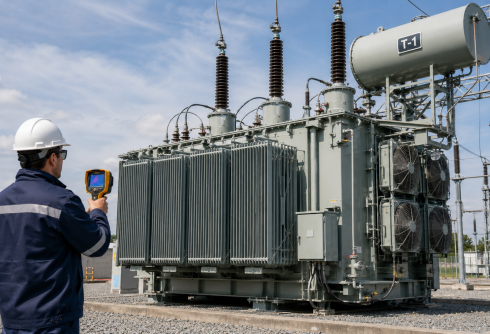
Advanced transformer designs incorporate sensors and digital monitoring systems that track temperature, load conditions, and insulation health in real time. These systems enable predictive maintenance by identifying potential issues before they lead to equipment failure.
Smart monitoring technologies also allow utilities to integrate transformer data into supervisory control and data acquisition systems. By combining transformer diagnostics with broader grid analytics, operators can improve load management and maintain grid stability.
Many modern transformer systems are built with smart grid compatibility in mind. Features such as remote monitoring, advanced control interfaces, and integrated diagnostic tools support the growing complexity of renewable-driven power networks.
These capabilities reduce maintenance risks and help ensure reliable energy delivery from renewable facilities.
Supplier Reliability and Transformer Lead Times
While technical specifications are critical, procurement considerations are equally important. Renewable developers often face long lead times for large transformers due to global manufacturing constraints and supply chain disruptions.
The demand for transformers has increased significantly as countries expand renewable energy infrastructure and modernize aging electric grids. This growing demand has contributed to supply shortages that can delay energy projects if equipment procurement is not carefully managed.
Transformer shortages and supply chain challenges have become a major concern for utilities and renewable developers worldwide. Rising demand combined with material constraints has stretched manufacturing capacity and increased project timelines.
Working with experienced suppliers and procurement partners can mitigate these risks. Companies with diversified manufacturing networks and global logistics capabilities are often better positioned to secure equipment within project timelines.
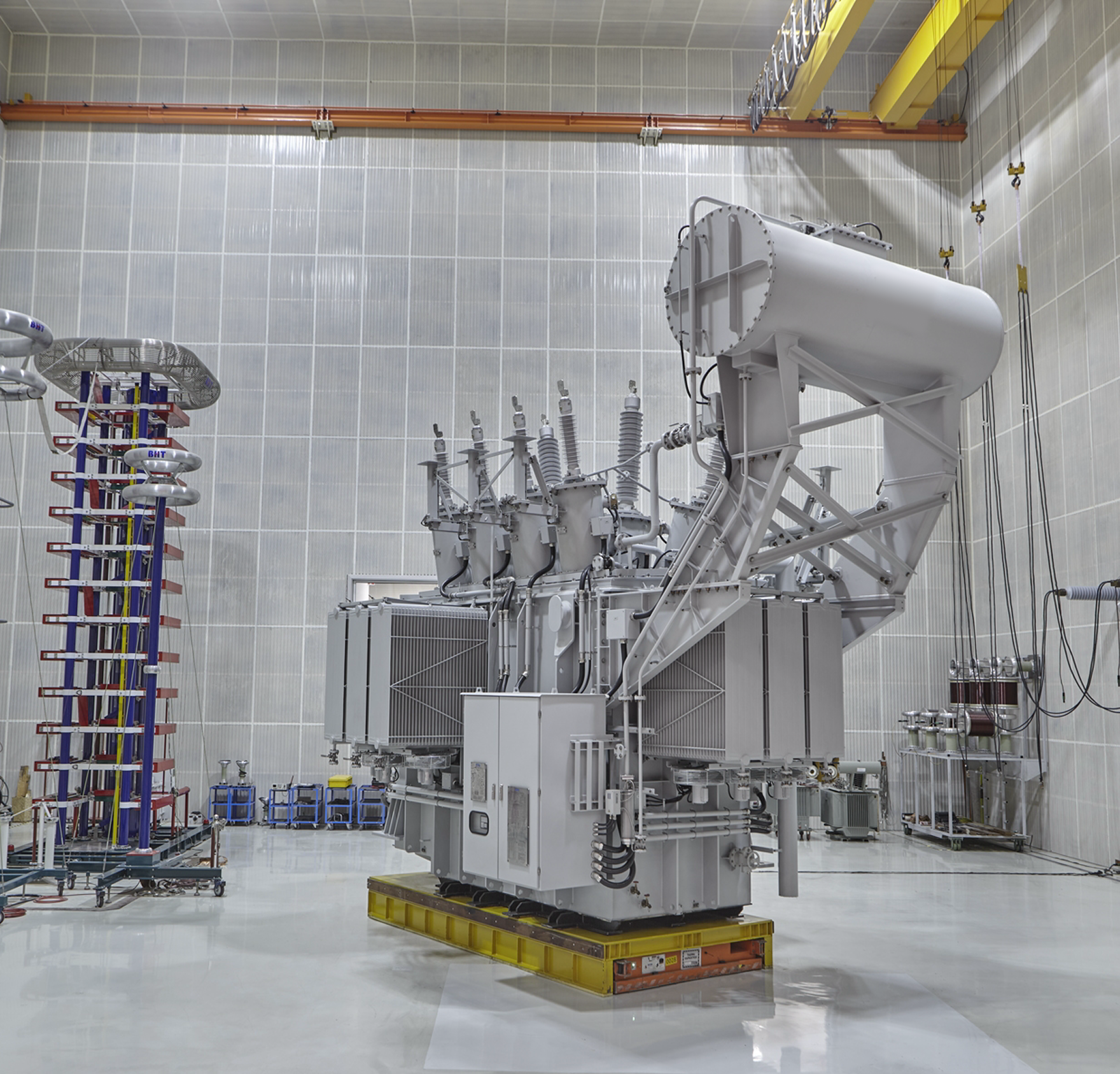
Some procurement organizations specialize in coordinating manufacturing, quality assurance, testing, and delivery for complex energy infrastructure projects. Their expertise in sourcing transformers, managing supplier relationships, and overseeing logistics can significantly reduce the risk of project delays.
For renewable developers operating under tight construction schedules, supplier reliability often becomes as important as transformer performance.
Learn More
The success of renewable energy projects depends on reliable grid infrastructure. Selecting the right transformer requires careful evaluation of design compatibility, voltage requirements, efficiency standards, monitoring capabilities, and supplier reliability. Early procurement planning can help renewable developers avoid costly delays and ensure smooth project commissioning.
Northfield supports renewable energy developers and utilities by sourcing high-quality power transformers through a global network of manufacturing partners. With expertise in procurement, logistics, and quality oversight, Northfield helps deliver critical transformer infrastructure efficiently and reliably.
To learn more about transformer solutions for renewable energy projects, explore Northfield’s renewable energy resources or contact the Northfield team for guidance on your next project.