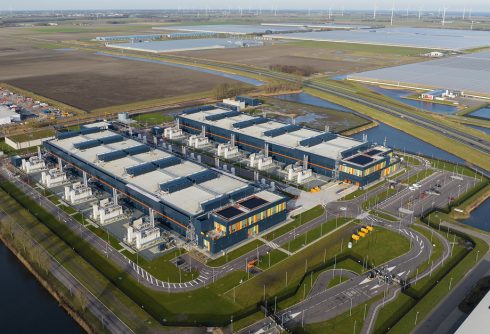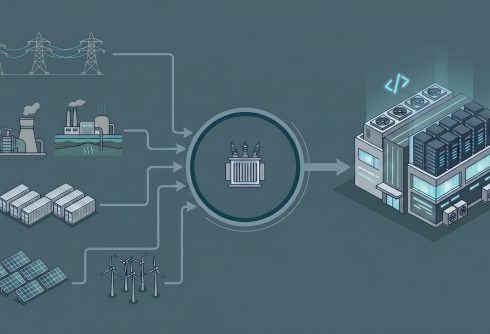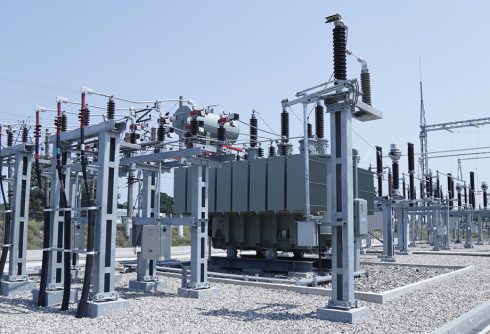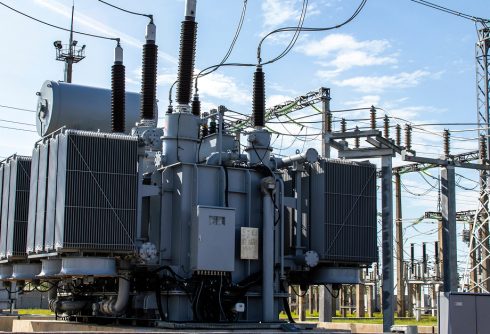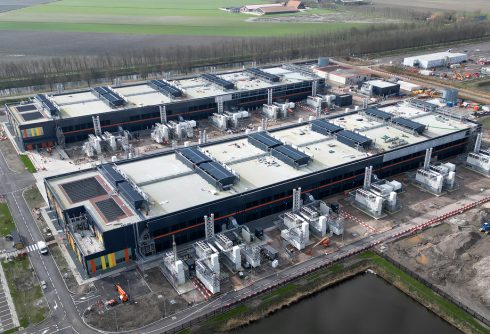
Picture a data center operations team getting an overnight alert that backup systems are carrying a critical load because a transformer issue has taken part of the electrical infrastructure offline. In a facility built around uptime, that single event can quickly become a business-continuity problem, especially in a market where large power transformers can take up to four years to procure.
That is why regular transformer testing deserves a larger role in power infrastructure planning. It helps operators identify problems before they become outages. It also gives procurement teams time to plan repairs, refurbishments, spares, or replacements before an emergency sets the timeline.
For utilities, renewable energy developers, data centers, and industrial facilities, transformer maintenance is now tied directly to business continuity. A strong testing program can reveal overheating, moisture, oil contamination, insulation aging, bushing deterioration, and tap changer wear while the asset is still operating. In a market shaped by long lead times and rising demand, that early warning can be the difference between a controlled maintenance event and a costly forced shutdown.
Why Regular Transformer Testing Matters Now
The transformer market is under sustained pressure from aging infrastructure, electrification, renewable energy growth, and data center expansion. The National Renewable Energy Laboratory estimates that the United States has 60 million to 80 million distribution transformers in service. NREL also projects that required U.S. distribution transformer capacity in 2050 may need to reach 160% to 260% of 2021 levels.
Demand is rising while replacement remains difficult. The U.S. Department of Energy reports that average lead times for distribution transformers rose 443% between 2020 and 2022. Orders that once took two to four months stretched to 22 to 33 months. For large power transformers, the U.S. Government Accountability Office reported that utilities cited purchase costs as high as $10 million, plus hundreds of thousands of dollars for transport.
Regular transformer testing helps owners move from reactive maintenance to planned asset management. Instead of discovering a problem after a failure, teams can track condition over time, prioritize the most critical units, and begin replacement planning while options are still available.
For more context on today’s procurement environment, Northfield’s article on overcoming the transformer supply crisis explains how tight supply, rising demand, and project urgency are reshaping transformer purchasing decisions.
Build a Practical Transformer Inspection Program
A reliable program should be layered. The International Electrical Testing Association notes that the ideal maintenance program is reliability-based and specific to each facility and each piece of equipment. In practical terms, that means testing frequency should reflect transformer age, load profile, operating environment, criticality, fluid type, and the cost of failure.
The first layer is routine visual, thermal, and mechanical inspection. The U.S. Bureau of Reclamation’s 2024 maintenance schedule includes weekly bushing oil-level checks, annual inspection of oil-filled transformers for abnormal gauge behavior, corrosion, and leaks, annual infrared scanning, and inspection of cooling equipment.
The second layer is oil and insulation testing. Dissolved gas analysis, often called DGA, is one of the most useful tools for detecting early signs of overheating, arcing, partial discharge, and insulation breakdown. A complete oil panel may also include moisture content, dielectric strength, interfacial tension, acid number, power factor, and furanic compounds.
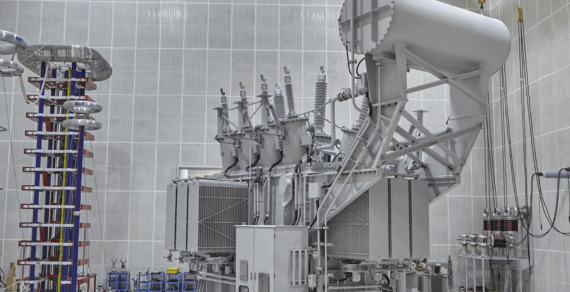
The third layer is offline electrical testing. These tests are often scheduled during planned outages and can include turns ratio, winding resistance, excitation current, insulation resistance or power factor, and bushing testing. Together, these layers create a clearer view of transformer health than any single test can provide.
Match Transformer Testing to Failure Risk
Testing becomes more valuable when each test is tied to a known failure mode. CIGRE’s transformer reliability work identifies windings, bushings, and tap changers as leading failure locations in power transformers. A complete transformer inspection program should be built around these areas.
Winding problems may appear through DGA trends, turns-ratio deviations, winding resistance results, excitation current changes, or sweep frequency response analysis. Bushing deterioration may appear through power factor and capacitance testing, hot-collar testing, infrared scanning, oil leaks, visible cracking, or carbon tracking. Load tap changer wear may appear through oil testing in the tap changer compartment, contact-resistance problems, abnormal heating, or irregular operation.
Oil and paper insulation also require careful attention. ASTM test methods support laboratory analysis for dissolved gases, water in insulating liquids, dielectric breakdown voltage, interfacial tension, and furanic compounds. These tests help answer simple but important questions. Is the oil still insulating properly, moisture entering the system or paper insulation aging? Are oxidation byproducts building up? Are gases forming that suggest a developing fault?
For a broader asset-life perspective, Northfield’s guide to factors affecting the lifespan of power transformers explains how heat, moisture, overloading, and maintenance quality affect long-term reliability.
Turn Test Results Into Procurement Decisions
A test report has limited value if it does not lead to action. The real value comes from trending results over time and connecting them to maintenance and procurement decisions.
A single abnormal result may call for retesting, closer monitoring, oil processing, bushing replacement, tap changer service, load adjustment, or a planned outage for deeper inspection. A repeated pattern is more serious. Rising moisture, weakening dielectric strength, increasing oil power factor, and changing DGA results together may indicate that the insulation system is degrading and needs intervention.
Thresholds help teams act consistently. The Bureau of Reclamation’s transformer maintenance guidance cites in-service mineral oil power factor limits where values below 0.5% at 25 °C are considered good, values from 0.5% to 1.0% warrant further investigation, and values above 1.0% may require reclaiming or replacement because failure risk rises sharply.
This is where testing becomes a procurement tool. If a critical unit is trending toward end of life, the owner can begin planning a replacement before the asset fails. Northfield’s lead time calculator helps teams estimate delivery windows based on transformer specifications and compare planning assumptions against current market timelines.
Protect Critical Loads With Better Visibility
For data centers, utilities, manufacturers, and renewable energy projects, transformer health is part of uptime planning. Redundancy helps, but redundant systems still rely on transformers that must perform under heat, load, switching events, and environmental stress.
That visibility matters as power demand grows. NREL estimates that data center growth alone could add 12.6 GW to 72 GW of transformer capacity demand through 2030. As facilities add capacity, leaders need to know whether existing transformers can safely support future loads or whether a replacement, parallel unit, or substation upgrade should be scheduled.
Regular transformer testing helps answer those questions with evidence. DGA can show whether heat or electrical faults are developing. Infrared scans can reveal hot connections, overloaded components, or cooling issues. Oil testing can show whether the insulation system is aging faster than expected. Offline testing can help confirm whether windings, bushings, and electrical connections remain sound.
Northfield’s data center transformer solutions are designed for customers that need reliable power equipment, short lead times, quality assurance, and end-to-end support. For additional planning guidance, see Northfield’s article on achieving reliable data center power.
Learn More
Regular transformer testing protects uptime, extends useful asset life, and gives procurement teams time to plan before replacement becomes urgent. Northfield supplies custom power transformers up to 400 MVA and 500 kV, with full-acceptance testing, quality oversight, logistics coordination, and support from design through delivery. Explore Northfield’s power transformer products or full-service transformer support to plan your next project.
Frequently Asked Questions (FAQ)
What is regular transformer testing?
Regular transformer testing is a planned program of visual inspection, oil analysis, thermal scanning, and electrical diagnostics used to evaluate transformer condition over time.
How often should transformers be inspected?
Inspection frequency depends on asset age, loading, environment, fluid type, and criticality. Many programs include frequent visual checks, annual oil testing, annual infrared scans, and deeper offline testing on multi-year cycles.
Why is dissolved gas analysis important?
Dissolved gas analysis can identify gases produced by overheating, arcing, partial discharge, or insulation breakdown, helping teams detect faults before failure.
How does transformer testing support procurement planning?
Testing trends help owners identify aging or deteriorating units early, allowing replacement planning before an emergency order is required.
How can Northfield support transformer reliability planning?
Northfield supplies high-quality custom transformers with short lead times, full acceptance testing, logistics support, and end-to-end project coordination for utilities, data centers, renewable developers, and industrial customers.