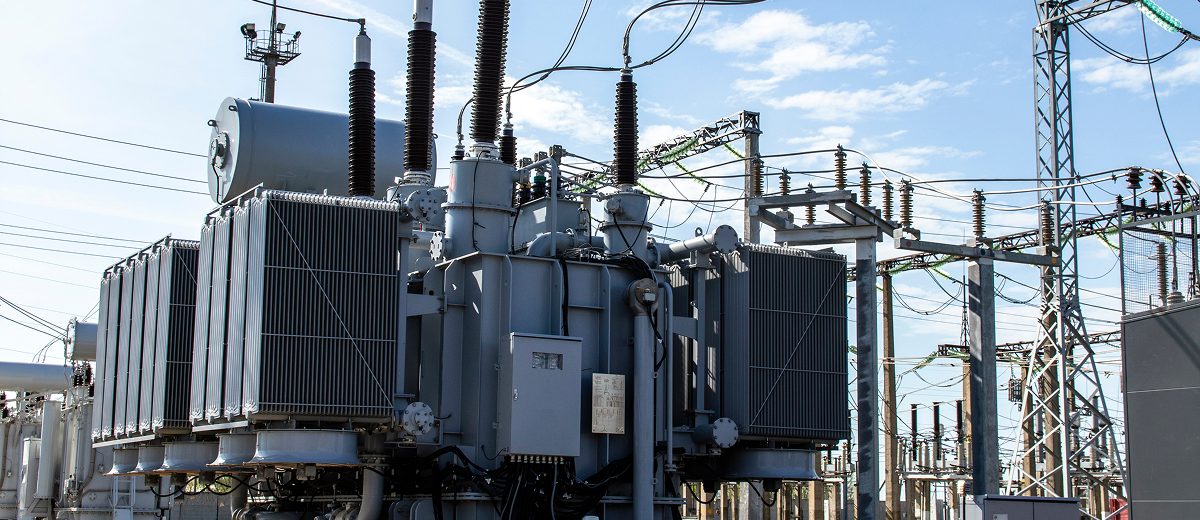
A large power transformer is often expected to operate for 30 to 40 years, yet many fail earlier due to preventable stresses. Industry experience shows that insulation aging, overheating, moisture intrusion, poor maintenance, and supply chain missteps can shorten useful life significantly. At the same time, transformer lead times in recent years have stretched beyond two years in many markets, which means replacement planning cannot be reactive.
For utilities, renewable developers, and data center operators, understanding the key factors that affect transformer lifespan is essential for protecting capital investments and ensuring grid reliability. Below are five critical factors that directly influence how long a power transformer will operate safely and efficiently.
Thermal Stress and Overloading
Heat is the single most important driver of transformer aging. The insulation system inside a power transformer, particularly cellulose-based paper insulation, deteriorates faster as temperature rises. Even small increases above rated operating temperature can significantly accelerate aging.
Overloading during peak demand, renewable intermittency, or unexpected load growth places thermal strain on windings and insulation. Repeated thermal cycling also causes mechanical expansion and contraction, which weakens structural components over time.
Effective lifecycle planning requires:
- Careful load forecasting
- Avoiding sustained overload conditions
- Monitoring hotspot temperatures
- Ensuring adequate cooling performance
Modern cooling systems and temperature monitoring sensors help operators detect overheating early. For new projects, specifying transformers with sufficient headroom for future load growth can prevent premature aging.
Moisture and Insulation Degradation
Moisture is one of the most destructive contaminants inside a transformer. Water reduces dielectric strength, accelerates insulation breakdown, and increases the risk of internal arcing. Even small amounts of moisture in oil or paper insulation can dramatically shorten service life.
Moisture can enter through:
- Breather systems
- Seal degradation
- Improper storage before installation
- Maintenance errors
Routine dissolved gas analysis and oil testing help detect insulation breakdown early. Monitoring moisture-in-oil levels allows operators to intervene before irreversible damage occurs.
For long-term performance, transformers must be properly sealed, stored, transported, and installed. Attention to these details during procurement and commissioning can add years to operational life.
Electrical Stress and Fault Events
Short circuits, lightning strikes, switching surges, and grid disturbances impose electrical stress on transformer windings. While transformers are designed to withstand certain fault levels, repeated high-energy events weaken internal structures.
Mechanical forces generated during short circuits can deform windings, compromise insulation spacing, and create latent defects that lead to failure years later. Partial discharge activity may also develop if insulation integrity declines.
Lifecycle planning should include:
- Proper system protection coordination
- Surge protection devices
- Regular inspection after major fault events
- Ongoing condition monitoring for partial discharge
High-reliability environments such as data centers and renewable interconnection points require particular attention to system protection design. Preventing excessive electrical stress protects both transformer life and overall system stability.
Maintenance Practices and Condition Monitoring
The difference between a 25-year transformer and a 50-year transformer often comes down to maintenance discipline. Predictive maintenance strategies allow operators to identify aging trends before failure occurs.
Key tools include:
- Dissolved gas analysis
- Oil quality testing
- Infrared thermography
- Bushing monitoring
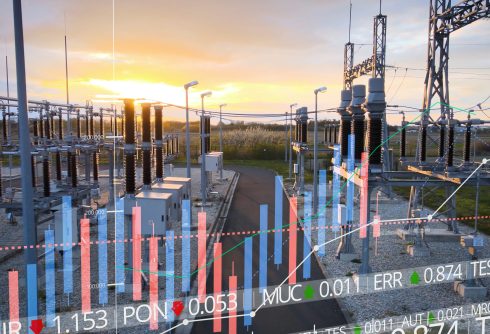
- Online temperature and load monitoring
A structured health index system that combines test results, age, loading profile, and criticality ranking supports smarter capital planning. Rather than replacing transformers based solely on age, organizations can prioritize based on actual condition and risk exposure.
For renewable developers and data center operators, installing transformers with integrated monitoring systems from day one simplifies long-term lifecycle management. Early data collection builds a baseline for future diagnostics and replacement planning.
Choosing the Right Suppliers
One of the most overlooked factors affecting transformer lifespan is supplier selection. Manufacturing quality, material sourcing, engineering expertise, and quality assurance oversight all influence long-term reliability.
High-grade core steel, quality copper windings, durable bushings, and proper insulation drying processes directly impact operational longevity. Weak quality control during manufacturing can introduce hidden defects that shorten service life.
In today’s constrained market, supplier choice also affects lifecycle risk in other ways:
- Production scheduling reliability
- Engineering compliance with international standards
- Factory acceptance testing rigor
- Logistics handling for oversized equipment
- Availability of future replacement units
Partnering with manufacturers that follow strict transformer testing protocols and engage experienced engineering oversight helps protect long-term asset value. Diversified production networks also reduce geopolitical and supply chain risk, which is increasingly important for multi-decade infrastructure planning.
Lifecycle planning must therefore extend beyond engineering design. It should include procurement strategy, quality supervision, and long-term supplier relationships that support future expansion and replacement cycles.
Integrating These Factors into Your Long-term Strategy
Understanding the five factors that affect the lifespan of power transformers allows organizations to shift from reactive replacement toward proactive asset management.
A strong transformer lifecycle plan should include:
- Load forecasting aligned with future growth
- Routine oil and insulation testing
- Digital condition monitoring systems
- Protection system coordination reviews
- Strategic supplier partnerships with long-term capacity
Utilities managing aging fleets, renewable developers scaling new capacity, and data center operators building resilient infrastructure all face similar challenges: rising demand, aging assets, and extended manufacturing lead times. By addressing thermal stress, moisture control, electrical protection, maintenance discipline, and supplier quality together, organizations can extend transformer life while reducing operational risk.
Large power transformers are among the most critical and capital-intensive assets in the energy system. Their lifespan is not fixed. Engineering decisions, operational discipline, and procurement strategy shape it. When these elements are aligned, a transformer can operate safely for decades while supporting grid stability, renewable integration, and high-reliability power delivery.
Effective lifecycle planning begins long before failure and continues through replacement strategy. By focusing on these five factors, asset owners can protect long-term performance and build infrastructure designed to last.
Learn More
Northfield Transformers specializes in providing comprehensive, scalable power solutions that enable data centers to adapt confidently to the evolving demands of AI and emerging technologies. Our approach addresses every power scenario from permanent power solutions for long-term operational capacity, backup power systems for emergencies, and bridging power offerings that ensure uninterrupted service during transitions, upgrades, or while waiting for grid connections.
Our expertise in custom transformers, flexible power architectures, and strategic capacity planning ensures your facility can scale efficiently without costly infrastructure overhauls. With our industry-leading short lead times and global procurement capabilities, Northfield delivers reliable, high-performance power solutions that keep your operations running while your competition stresses over supply chain delays.
Explore our comprehensive data center power solutions or contact our team to discuss how Northfield’s scalable infrastructure can future-proof your facility against tomorrow’s energy demands.